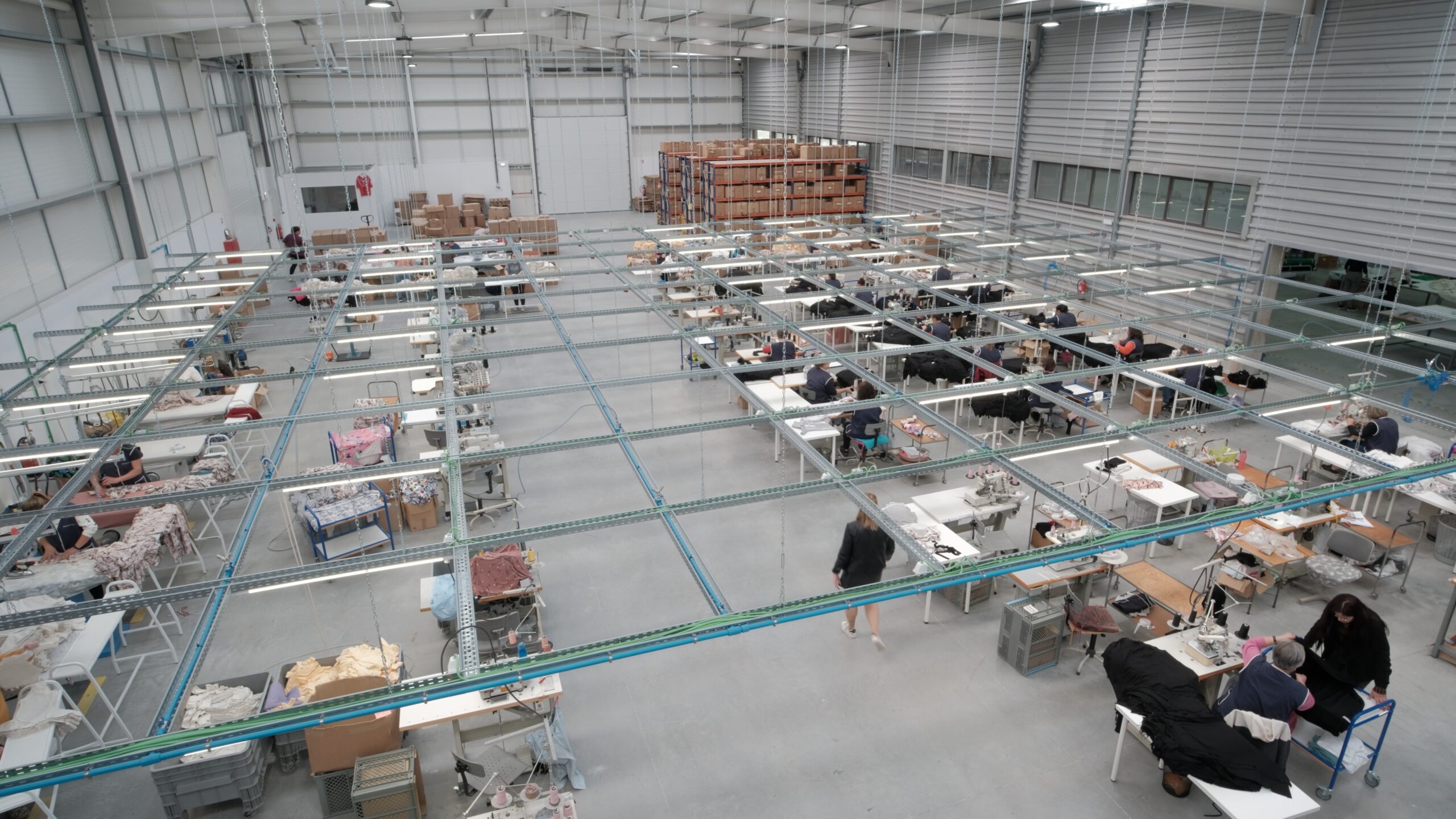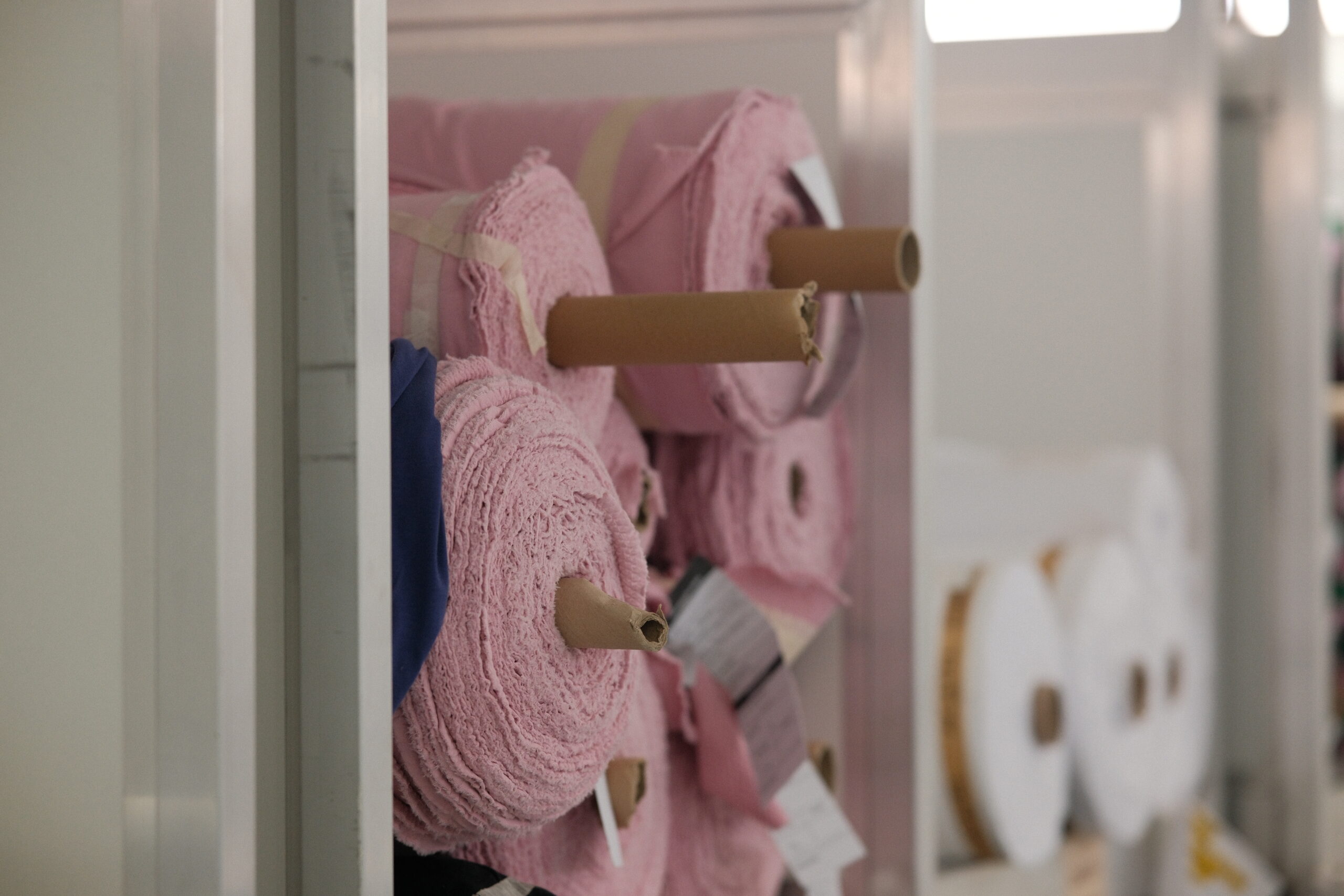
Responsible textile materials are knits and fabrics whose entire life cycle — production, use, and disposal — causes as little harm as possible to the environment and to people. When designing clothes, material choices matter hugely: they affect a garment’s carbon footprint, wearing comfort, how often it needs to be washed, and where the product ultimately ends up.
In this blog post, we introduce different natural, recycled, and innovative fibers that we use in Black Moda’s production. You’ll find both familiar classics and interesting new options. You can read more about Black Moda’s production here.
Natural fibers — tradition and purity
Organic Cotton
Organic cotton is grown without pesticides or synthetic fertilizers. Cultivation often uses less water than conventional cotton, and the result is a skin-friendly, soft, and breathable fiber. Organic cotton is one of the most commonly used fibers in our production.
Linen
Linen is an exceptionally strong and breathable fiber. The world’s oldest cultivated plant thrives in cool climates without artificial irrigation. The material is known for its beautiful luster, and it softens nicely with wear.
Wool
Wool is a renewable and biodegradable natural fiber, and its responsibility depends on animal welfare and rearing conditions. Wool products don’t need to be washed often, and with proper care they last a long time, which increases their sustainability.
Hemp
Hemp is one of the most eco-friendly fibers: it grows quickly without pesticides and can even improve soil quality. The fiber is similar to linen, but is often more durable and stiffer.
Nettle
Nettle fiber resembles linen both in appearance and feel. It is a breathable, durable, and eco-friendly fiber whose cultivation does not require pesticides.
Kapok
Kapok is a silky, feather-light fiber harvested from the seed pods of the kapok tree. It grows wild, requires no fertilizers, and is fully biodegradable.
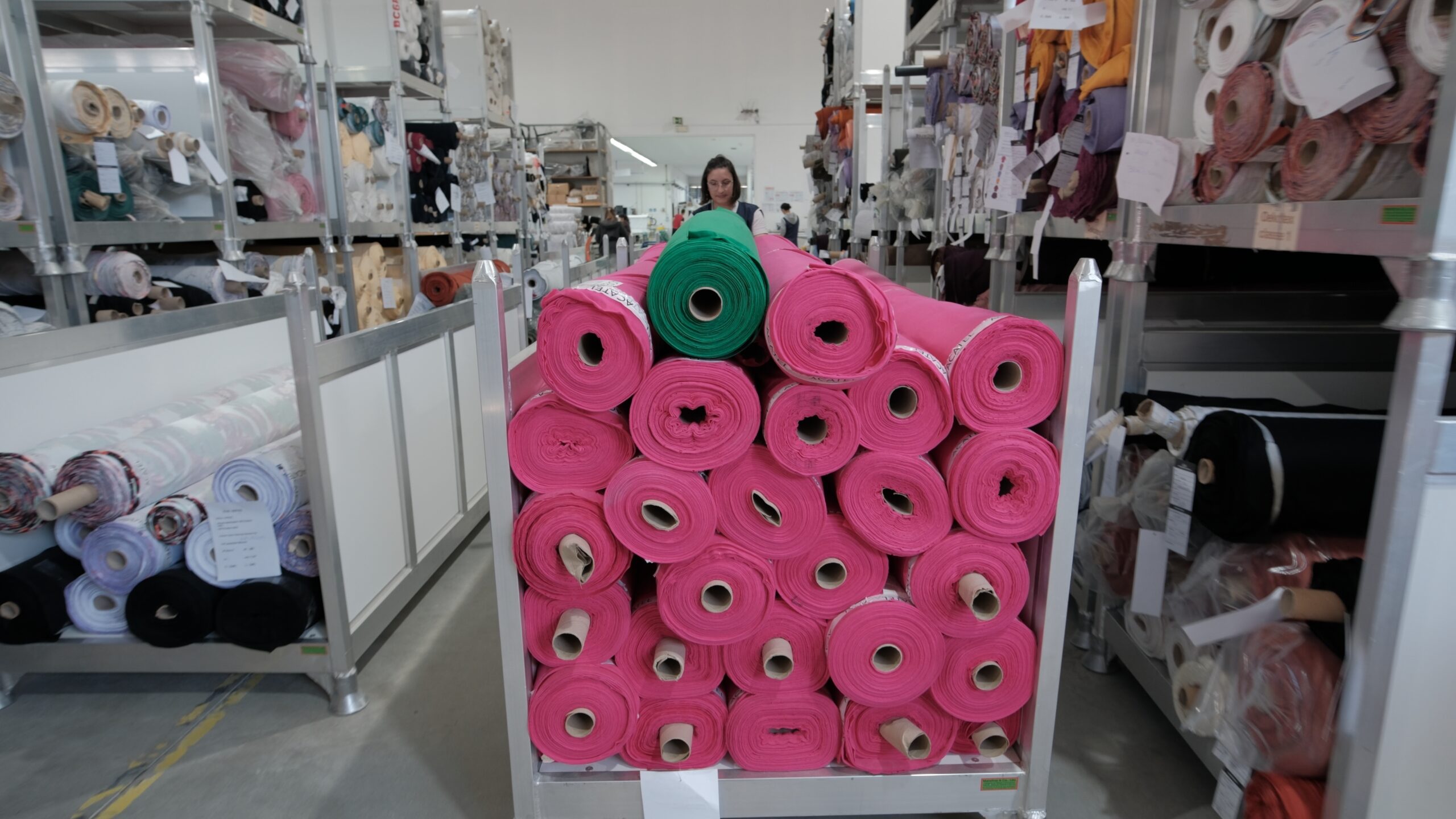
Recycled fibers — when waste becomes a raw material
Recycled polyester and polyamide
Recycled polyester and polyamide are made, for example, from plastic bottles, ocean plastic, or textile waste. In terms of their properties, they match their virgin-material counterparts, but with a lower environmental impact. Whenever possible, we prioritize recycled materials in our production.
Recycled elastane
Recycled elastane is rare, but increasingly common material in which some or all of the raw material is recycled. It is used like regular elastane to add stretch to the material.
Q-Nova®
Q-Nova® is an Italian Fulgar-developed polyamide made from the company’s own pre-consumer industrial waste without chemical recycling. A lightweight, breathable, and durable material for sportswear and tights. A large share of our tights are made with Q-Nova®: all styles of Aarrelabel’s The 3D Pantyhose contain Q-Nova® polyamide.

New and innovative materials — solutions for the future.
Ecovero™ viscose
Ecovero™ is an eco-labeled viscose made from FSC or PEFC certified wood raw material. The fabric has a beautiful sheen and excellent color vibrancy. One of the most commonly used fibers in our production.
Tencel™ (Lyocell)
Tencel™ is made from FSC-certified wood pulp using a closed-loop process. The result is a smooth, drapey, and breathable material that is widely used in knits and woven fabrics.
Naia™
Naia™ is a soft and breathable cellulose-based fiber produced using a closed-loop process. It’s well suited for everyday and leisurewear. A rising fiber in our jersey production.
Supima®
Supima® is an extra-long-staple premium cotton cultivated in North America. The fiber is strong, silky, reproduces colors beautifully, and pills less than regular cotton. It’s an emerging fiber in our jersey production, and for example our own brand Aarrelabel’s Leo Copper products are made from Supima® cotton.
Refibra™
Refibra™ is a Lenzing innovation that combines lyocell with recycled cotton waste. The fiber is soft, strong, and environmentally friendly — an excellent example of circular economy.
Sorona™
Sorona™ is a bio-based polyester fiber in which about one third of the raw material is plant-based (corn). The fiber is stretchy, soft, and durable — often used in sports and leisurewear knits.

How can you influence sustainability through material choices? Learn to recognize responsible textile materials!
Responsible textile materials can also be identified through various certifications and by examining the different stages of material production. When assessing a material’s sustainability, it’s worth considering at least the following:
✔ Certifications
Certain textile material certifications, such as OEKO-TEX, GOTS, OCS, FSC, PEFC, RWS, and GRS, indicate transparent, responsibly managed production.
✔ Production impacts
How much water, energy, and chemicals are used in production — and how they are recycled or recovered.
✔ Working conditions
An ethical and safe production chain is just as important as the material itself.
✔ Durability and recyclability
How long does the material last in use, and what happens to it at the end of its life cycle?
Summary
Responsible textile materials are a key part of designing sustainable textile production. The world is changing, and consumers’ expectations for responsibility are growing. Fortunately, there are plenty of fibers available that combine quality, eco-friendliness, and comfort. Even small choices can have a big impact.
? Interested in the materials or production at Black Moda Portugal Lda? Get in touch with our experts here.
Written by Johanna Leppä-aho and Marja-Kaisa Kuusimaa