Cotton is the world’s most widely used natural fiber and the second most commonly used fiber overall after polyester. Cotton production methods vary significantly in terms of environmental impact, chemical use, water consumption, and social responsibility. In the textile industry, the most commonly discussed cotton types are conventional cotton, organic cotton, and recycled cotton. In addition, various certifications, such as Better Cotton (BCI), the Global Organic Textile Standard (GOTS), and OEKO-TEX®, help assess the sustainability and safety of textile products.
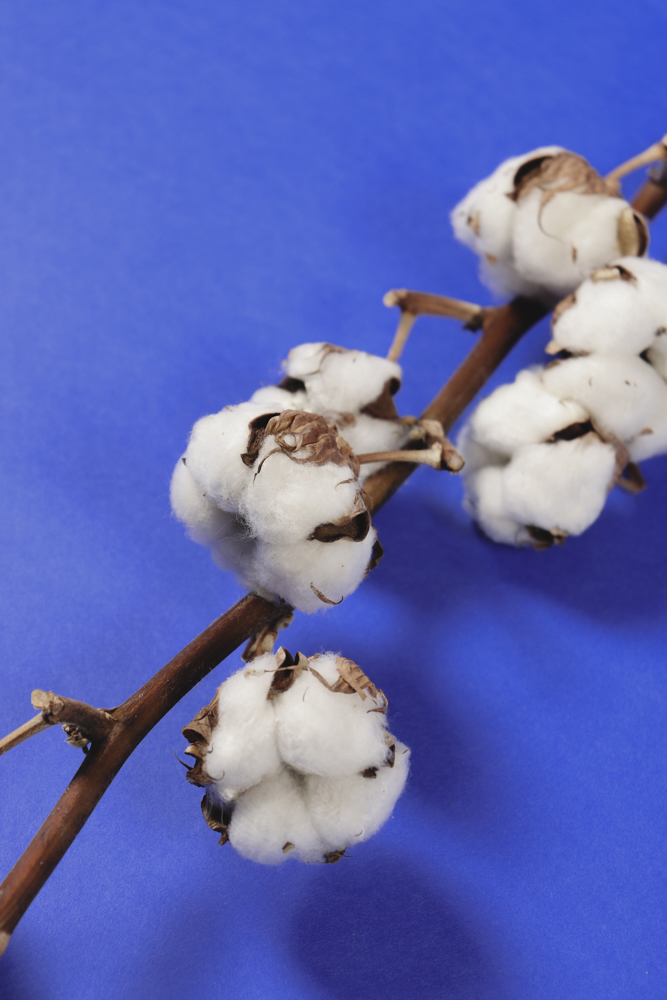
Conventional Cotton – Environmental and Sustainability Challenges in Production
Conventional cotton is the most commonly used type of cotton on the market. Its cultivation often relies on intensive farming methods that require large amounts of irrigation water, pesticides, and fertilizers. Cotton is mainly grown in warm and dry countries where the need for irrigation can be significant. The key challenges of conventional cotton production include high water consumption, soil degradation, the use of pesticides and chemicals, loss of biodiversity, and workers’ exposure to harmful chemicals.
Better Cotton Initiative (BCI) – A Step Towards More Sustainable Cotton Farming
Additional chemicals may also be used during cotton processing, such as dyeing and finishing. The environmental and health impacts of these chemicals vary considerably depending on the country of production and the manufacturer.
In recent years, increasing attention has been paid to the social responsibility aspects of cotton production, and Better Cotton (formerly Better Cotton Initiative, BCI) has gained popularity. The goal of Better Cotton is to increase farmers’ awareness of environmentally responsible farming practices and support their transition toward more sustainable cultivation methods.
Organic Cotton – Fewer Chemicals and More Responsible Farming
Organic cotton is produced according to the principles of organic farming. Synthetic pesticides, artificial fertilizers, and genetically modified seeds are not used in cultivation. The goal is to maintain soil health, reduce environmental impacts, and improve farmers’ working conditions. Organic cotton production generally takes into account the preservation of biodiversity, soil fertility, lower chemical loads, more responsible water use, and safer working conditions. However, the label “organic cotton” alone does not always indicate the sustainability of the entire supply chain.
GOTS and Other Organic Cotton Certifications – What Do They Guarantee?
The Global Organic Textile Standard (GOTS) is one of the best-known certifications for organic textiles. It covers the entire production chain from cotton cultivation to the finished product.
GOTS certification requires, among other things, that the fiber contains a significant proportion of certified organic cotton, restrictions on environmentally harmful chemicals, wastewater treatment, social responsibility criteria such as safe working conditions and the prohibition of child labor, and production traceability. GOTS is a comprehensive sustainability certification because it takes into account both environmental and social aspects. Another well-known certification for organic cotton is the Organic Content Standard (OCS), but it is not as comprehensive as GOTS. OCS focuses on verifying the origin of the raw material and does not cover the entire production chain.
Recycled Cotton – A Saver of Natural Resources or a Compromise in Quality?
Recycled cotton is made either from textile industry production and cutting waste or from discarded textiles. Its purpose is to reduce the need for virgin cotton and extend the lifecycle of materials. The benefits of recycled cotton include lower water consumption, reduced need for new raw materials, less textile waste, and a lower environmental burden from agriculture. However, recycled cotton also comes with challenges. Mechanical recycling shortens the fibers, which can weaken the durability and especially the quality of the material. For this reason, recycled cotton is often blended with virgin cotton or other fibers. In addition, the traceability of the origin, chemicals, and fiber content of recycled textiles can be more difficult than in the case of new materials.
OEKO-TEX® – What Does the Textile Safety Certification Tell Us?
OEKO-TEX® is a certification system that focuses specifically on the safety of textiles for the user. The best-known certification is OEKO-TEX® Standard 100. OEKO-TEX® certification means that the product has been tested for harmful substances such as heavy metals, pesticide residues, formaldehyde, and allergenic dyes. OEKO-TEX® also has its own separate certification for organic cotton: OEKO-TEX® ORGANIC COTTON. It combines verification of organic cotton origin, chemical safety, and monitoring of the entire production chain.
Which Cotton Option Is the Most Sustainable?
When assessing the sustainability of cotton, it is important to examine the entire production chain from raw material to finished product. Conventional cotton places a burden on the environment particularly through water consumption and the use of chemicals. Organic cotton reduces chemical loads and supports more natural farming practices, while recycled cotton helps conserve natural resources and reduce textile waste. Certifications such as BCI, GOTS, and OEKO-TEX® help consumers and businesses identify more sustainable and safer textile products, but their content and focus differ from one another.
Writers: Marja-Kaisa Kuusimaa and Johanna Leppä-aho
Interested in our production? Read more about Black Moda here.
Read more about our sustainability here.
Contact our experts here.
Sources:
Suomen Tekstiili ja Muoti: Kuituopas 2025: https://www.stjm.fi/palvelut-ja-tietoa-yrityksille/tekstiilikuituopas/
Better Cotton Initiative. https://bettercotton.org
Global Organic Textile Standard. https://global-standard.org
OEKO-TEX. https://www.oeko-tex.com/en